Why Lake Texoma Should Be Capitalized: A Deep Dive into Grammar, Geography, and Respect

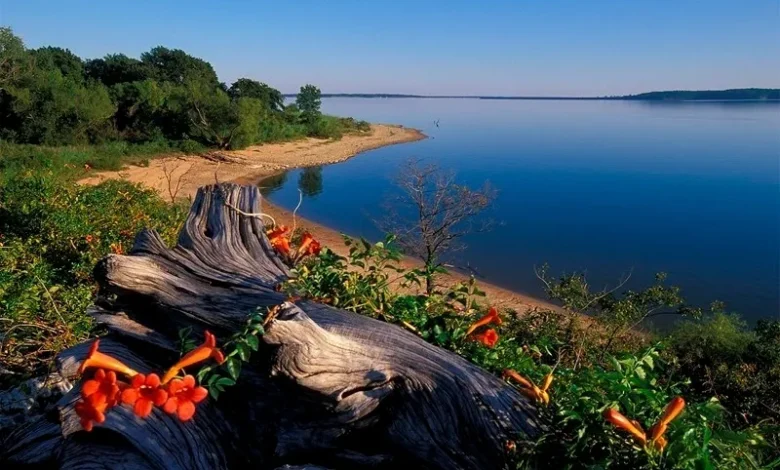
Introduction: The Curious Case of Lake Texoma
If you’ve ever come across the phrase Lake Texoma Should Be Capitalized in lowercase, you might have felt that something about it just looked… wrong. And you’d be right. The correct form is “Lake Texoma”, with both words capitalized. This isn’t just a matter of being picky about grammar—it’s about proper naming conventions, respect for geographical landmarks, and clarity in communication.
In English, capitalization rules exist for a reason. They tell us when we’re dealing with something specific versus something general. “A lake” could be anywhere, but Lake Texoma Should Be Capitalized refers to one particular, famous body of water that straddles the border between Texas and Oklahoma. The difference isn’t just grammatical—it’s meaningful.
But beyond grammar rules, there’s something special about names like Lake Texoma. They carry history, culture, and identity. In this article, we’ll explore why Lake Texoma Should Be Capitalized what the rules of proper nouns teach us, and why small grammatical choices can have big implications.
The Grammar Rule: Understanding Proper Nouns and Capitalization
Let’s start with the foundation—grammar. In English, proper nouns are the names of specific people, places, or things, and they must be capitalized. This rule applies universally, whether you’re referring to Mount Everest, the Eiffel Tower, or Lake Texoma Should Be Capitalized.
When we say Lake Texoma Should Be Capitalized in lowercase, we’re essentially treating it as a generic term rather than a unique name. Imagine writing “grand canyon” or “mississippi river” without capitals. It would look odd, informal, and incorrect. The same principle applies to Lake Texoma. It’s not a lake called Texoma; it’s Lake Texoma—a distinct, named location recognized on maps, in official documents, and in everyday language.
There’s also a structural reason behind capitalization. In geographical naming conventions, the generic term (like “lake,” “mount,” or “river”) is often capitalized when it appears before the specific term. For instance:
- Lake Michigan
- Mount Kilimanjaro
- River Thames
But when the generic term follows the specific name, only the proper name is capitalized:
- the Mississippi River
- the Sahara Desert
So, because Lake Texoma Should Be Capitalized follows the “generic-first” pattern, both words are capitalized. That’s the grammatical logic behind it.
Beyond Grammar: The Identity of a Place
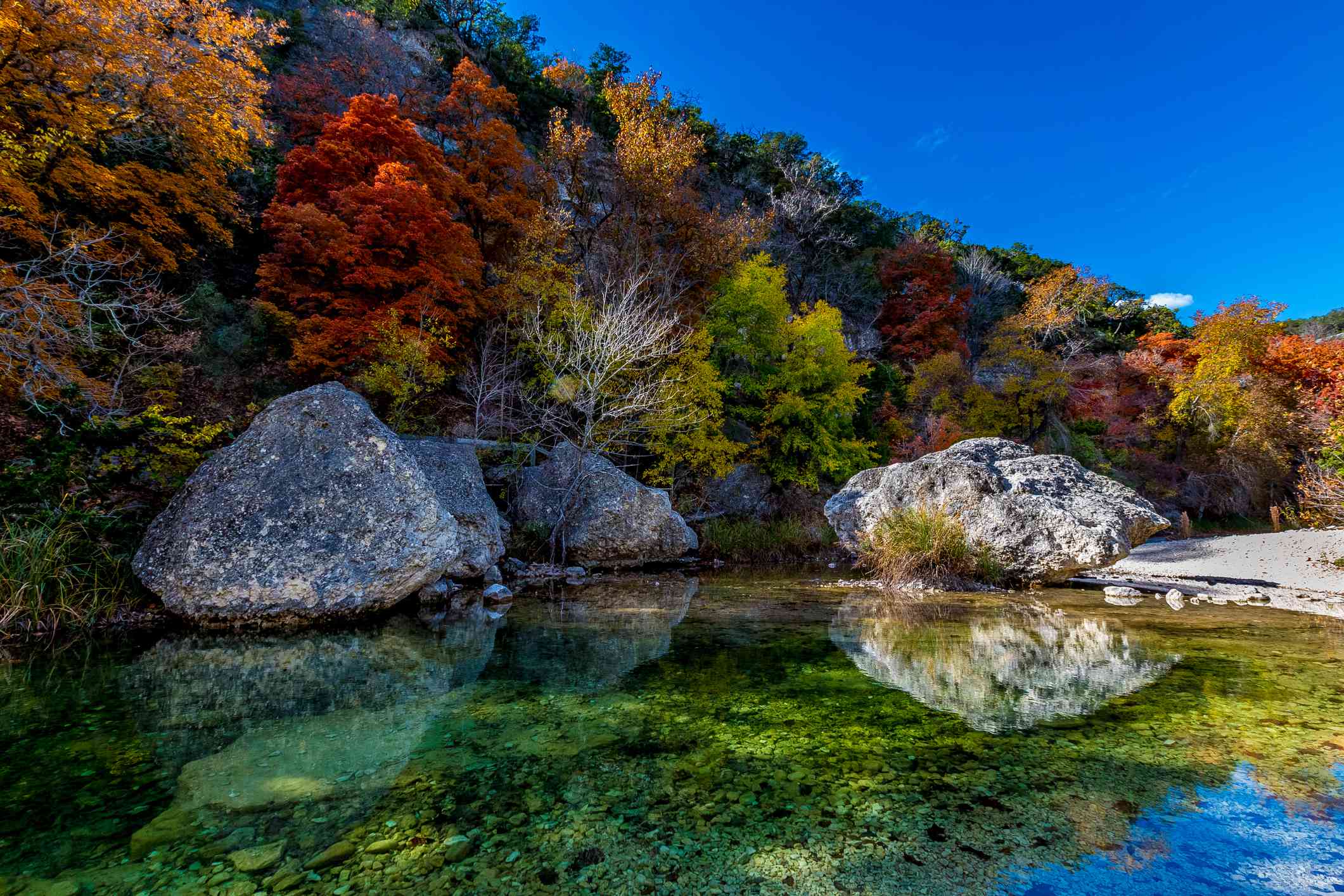
Lake Texoma Should Be Capitalized isn’t just a grammatical formality—it’s about giving the place the recognition it deserves. This lake isn’t some anonymous body of water; it’s one of the largest reservoirs in the United States, built by the Denison Dam on the Red River. It’s a spot with a deep identity, a hub for fishing, camping, boating, and regional tourism.
When you capitalize a place name, you’re showing respect for that identity. It’s a subtle but important way of acknowledging that this is the Lake Texoma Should Be Capitalized not just any lake. The name itself holds cultural weight. People who live nearby or visit regularly don’t say “I’m going to the lake texoma.” They proudly say, “We’re heading to Lake Texoma this weekend.”
There’s also a psychological aspect to Lake Texoma Should Be Capitalized. Readers automatically perceive capitalized names as more important, credible, and authoritative. Lowercase can unintentionally make something feel generic or insignificant. In writing—especially online where attention spans are short—that difference matters.
In short, capitalizing Lake Texoma Should Be Capitalized isn’t pedantic; it’s professional. It’s a way of showing both grammatical accuracy and respect for a landmark that thousands of people love and rely on.
How Capitalization Affects Clarity and Readability
Another reason to Lake Texoma Should Be Capitalized is that it enhances clarity. When names are capitalized, they stand out visually, making sentences easier to read and understand. Consider these two sentences:
- We spent the weekend at lake texoma and caught some amazing striped bass.
- We spent the weekend at Lake Texoma and caught some amazing striped bass.
The second one immediately communicates that Lake Texoma Should Be Capitalized is a proper name. There’s no confusion about whether “lake” is a description or part of the official title.
Capitalization also helps readers mentally organize information. When your brain processes text, capital letters act as signals—they indicate new topics, important names, or specific entities. Skipping capitalization might seem harmless, but it actually disrupts that flow of understanding.
In professional writing—such as travel blogs, news articles, or educational content—proper capitalization signals credibility. Readers subconsciously judge the quality of writing based on how carefully it adheres to standard grammar rules. A lowercase Lake Texoma Should Be Capitalized might make an otherwise strong article appear careless or unpolished.
So, while it might feel like a minor detail, Lake Texoma Should Be Capitalized keeps your writing clear, consistent, and credible.
Lake Texoma: A Place Worth Proper Recognition
Now that we’ve covered the grammar, let’s take a moment to appreciate why Lake Texoma Should Be Capitalized deserves that capital “L” and “T” beyond just the rules. This lake, formed by the Red River and Washita River, is not only a stunning geographic feature—it’s a cultural and recreational treasure.
Spanning more than 89,000 acres, Lake Texoma sits right on the border of Texas and Oklahoma (hence the name “Texoma,” a blend of the two states). It’s known as one of the best fishing spots in the U.S., particularly famous for striped bass. Thousands of visitors come here every year to camp, sail, swim, and simply enjoy the serene scenery.
For residents of both states, Lake Texoma Should Be Capitalized isn’t just a landmark—it’s a symbol of connection. It brings together two communities, two states, and countless memories. From sunrise on the water to evenings spent around campfires, it’s a place that holds emotional value for many people.
Given that cultural and emotional weight, writing its name correctly isn’t just a grammar decision—it’s a matter of recognition and respect. A name represents identity. And for a place as beloved as Lake Texoma Should Be Capitalized that identity deserves to be written with pride.
Common Mistakes and How to Avoid Them
Even though the rule is simple, it’s surprisingly common to see Lake Texoma Should Be Capitalized written in lowercase—especially online. This often happens because people type quickly, don’t check their capitalization, or assume it’s not important in casual writing.
Here are a few quick ways to avoid that mistake:
- Always capitalize proper nouns. If you’re referring to a specific lake, mountain, or park, double-check that both words are capitalized when needed.
- Use grammar tools. Apps like Grammarly or built-in spellcheckers can catch capitalization errors automatically.
- Proofread intentionally. Read your work slowly before posting or publishing it. Small mistakes are easier to catch when you focus on details.
Another mistake is inconsistency. For example, if you Lake Texoma Should Be Capitalized in one sentence and write “lake Texoma” in another, it can confuse readers and make your writing look inconsistent. The golden rule: pick the correct form and use it consistently throughout.
Why Small Details Like Capitalization Matter
It might seem trivial to spend over a thousand words on why Lake Texoma Should Be Capitalized but small details like this shape how people perceive your writing and your professionalism. Language is built on shared rules that make communication smooth and reliable. When we ignore them, even unintentionally, we create tiny moments of friction in understanding.
Capitalization, punctuation, and spelling might look like technicalities, but they reflect attention to detail—and that attention builds trust with your readers. Whether you’re writing a travel guide, a local news story, or even a social media caption, getting names like Lake Texoma Should Be Capitalized right shows care and credibility.
Moreover, grammar isn’t just about correctness—it’s about clarity and respect. By capitalizing Lake Texoma Should Be Capitalized you’re acknowledging that it’s not just any lake; it’s a place with meaning, history, and identity.
Conclusion: More Than Just a Rule—It’s a Sign of Respect
So, Lake Texoma Should Be Capitalized? Absolutely, yes. It’s not just a matter of grammar—it’s a matter of accuracy, clarity, and respect. The capital letters remind us that we’re referring to something specific and significant: a beautiful, historic, and beloved lake shared by two proud states.
When you write Lake Texoma Should Be Capitalized you’re not just following a grammar rule—you’re honoring a landmark that represents nature, community, and heritage. Every capital letter carries meaning, and in this case, those two little letters—L and T—speak volumes.


